
Pregnancy Pathway | Fertility & Pregnancy Education for Couples

Introduction: A New Chapter Begins
The moment a pregnancy is confirmed, life changes in a heartbeat. For many couples who have struggled with fertility challenges, seeing that positive test is both a joy and a relief. But it also brings new questions, new responsibilities, and a desire to do everything right — starting now.
The first trimester (weeks 1–12) lays the foundation for a healthy pregnancy. In this post, we’ll walk through the key physical, emotional, and medical care tips that every expecting mother — and her partner — should know in the earliest stages of pregnancy.
1. Confirming Pregnancy: What to Do First
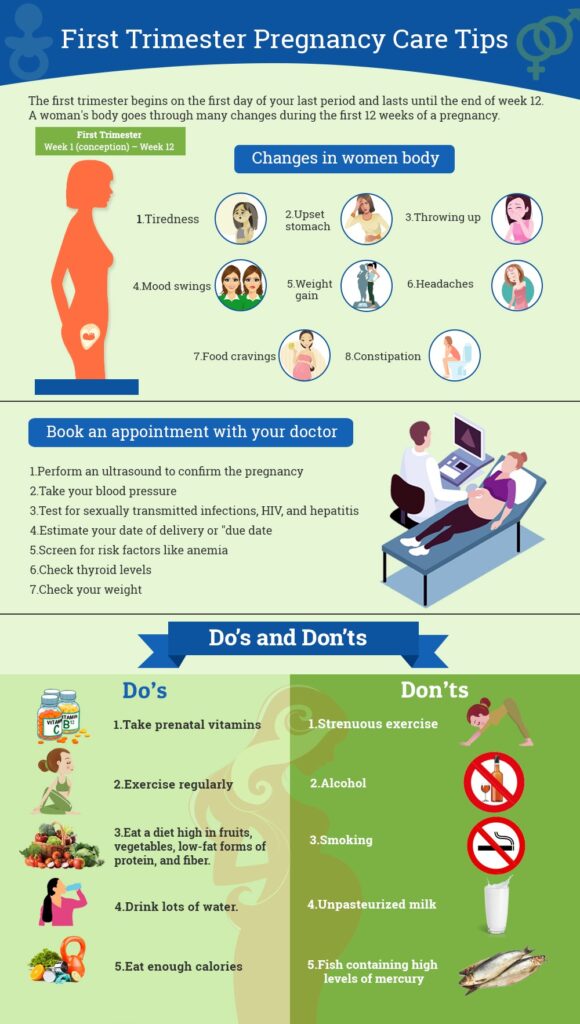
If you’ve had a missed period and taken a home pregnancy test, the next step is to book your first prenatal appointment. While home tests are usually reliable, a doctor can confirm pregnancy with a blood test and schedule your first ultrasound.
💡 Tip: Make a note of the first day of your last period — this helps your doctor calculate your due date.
2. Understanding the First Prenatal Visit
Your first prenatal visit often happens between 6–8 weeks of pregnancy. During this appointment, your doctor will:
- Review your medical and family history
- Conduct basic physical exams and blood tests
- Discuss any medications or supplements you’re taking
- Possibly schedule an ultrasound to confirm fetal heartbeat
This visit sets the tone for your prenatal care — be honest, ask questions, and don’t hesitate to share your concerns.
3. Eating for Two (Wisely!)
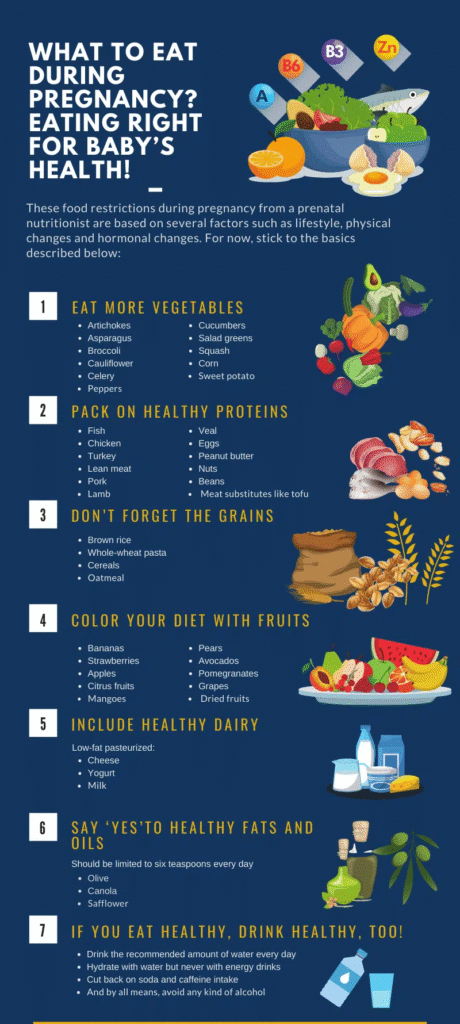
You don’t need to double your food intake — just double the nutrient quality. Focus on foods that nourish your body and support your baby’s development.
Must-have nutrients:
- Folic Acid – Supports brain and spinal cord development
- Iron – Helps prevent anemia
- Calcium – Strengthens developing bones
- Protein – Aids in tissue growth
Foods to include:
- Leafy greens, eggs, lentils, dairy, and whole grains
Foods to avoid:
- Raw fish, soft cheeses made from unpasteurized milk, and high-mercury fish like swordfish
🍲 Tip: Eat small, frequent meals to ease nausea — and keep yourself hydrated!
4. Coping with Common First Trimester Symptoms
Many early pregnancy symptoms are normal, even if they’re uncomfortable. Here’s what to expect:
| Symptom | What Helps |
|---|---|
| Morning Sickness | Ginger tea, crackers, vitamin B6 |
| Fatigue | Rest, iron-rich foods, short naps |
| Mood Swings | Open communication, gentle walks |
| Tender Breasts | Supportive bra, warm compresses |
If anything feels severe (such as heavy bleeding or intense cramping), consult your doctor immediately.
5. Staying Active — Safely
Unless advised otherwise, light physical activity during pregnancy is encouraged. It helps circulation, improves mood, and reduces stress.
Recommended Activities:
- Walking
- Prenatal yoga
- Light stretching
Avoid:
- Contact sports
- Heavy lifting
- High-heat environments (like saunas)
🧘♀️ Tip: Always listen to your body — pregnancy is not the time to push limits.
🍼 If you found this post helpful, leave a comment below or share it with a friend who’s just starting their pregnancy journey.
6. Respecting Cultural Traditions — with Caution
In many cultures, early pregnancy is surrounded by traditional advice from elders. While these customs often come from love and care, always discuss any new practice or restriction with your doctor — especially if it involves diet, herbs, or movement.
❤️ Tip: It’s okay to balance cultural values with medical guidance — your health and safety come first.
7. Emotional Care and Connection
Pregnancy isn’t just physical — it’s deeply emotional. Fear, excitement, anxiety, and joy can all show up in the same day.
Stay connected with your partner, talk openly, and don’t hesitate to seek emotional support from a counselor or pregnancy support group.
Final Thoughts: Small Steps, Strong Start
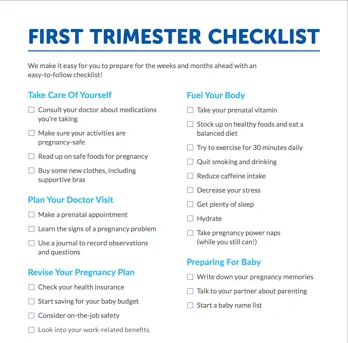
The first trimester is a time of transformation — even if much of it is happening invisibly. Every good choice you make now supports your baby’s growth and your own well-being.
Whether this is your first pregnancy or a long-awaited one, know that you’re doing your best — and that’s enough.